
 Products






What does grounds maintenance include?
Soil preparation and processing
Soil preparation is a key stage in the creation and maintenance of gardens, lawns, flower beds, agricultural areas and crops. Soil containing stones, roots, green waste or unevenly sized material may need to be screened before seeding, transplanting or laying new turf.
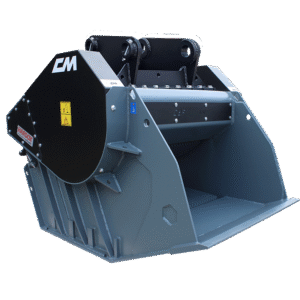
Screening buckets make it possible to process material directly on site, separating or reducing fractions that are less suitable for subsequent use. The CBR screening bucket is suitable for sorting soil, stony ground and green waste, while the CDS disc screening bucket, thanks to its rotor system, can also process wet soil, peat, compost and green waste. These two complementary solutions are also suitable for landscape maintenance and soil preparation for agricultural and landscaping applications.
Screening soil, humus and compost with MULTISCREEN RC
When grounds maintenance requires soil and organic materials to be separated, a dedicated screening solution can be particularly useful. MULTISCREEN RC can process materials such as soil, wet soil, humus and compost, separating different particle sizes according to the intended use. This makes it particularly suitable for preparing soil for gardens, green spaces and crops, processing compost and managing organic material intended for reuse. It is a practical solution for obtaining a more uniform material and making direct use of resources already available within the work area.
Installing posts for fences, vineyards and orchards
Managing green areas and carrying out agricultural work may involve installing or repairing fences, dividing spaces or setting posts for vineyards and orchards. In these applications, the PV Series vibratory plate and pile driver can be used, with the appropriate optional accessories, to position and drive wooden, concrete and steel posts. The same attachment can also be used for soil compaction, helping to create more stable and even surfaces. It is a versatile solution for contractors working in landscape maintenance, agriculture and outdoor area development.
Handling logs, branches and green waste
Pruning, tree removal, forest clearance and green space redevelopment generate materials that need to be collected and handled. Logs, branches and green waste vary considerably in shape and size and require equipment capable of providing a secure grip. Sorting grapples can be used to grip, lift and position different types of material and are also suitable for forestry applications. This allows the excavator to support material handling operations directly within the work area.
Cleaning roads, yards and green areas
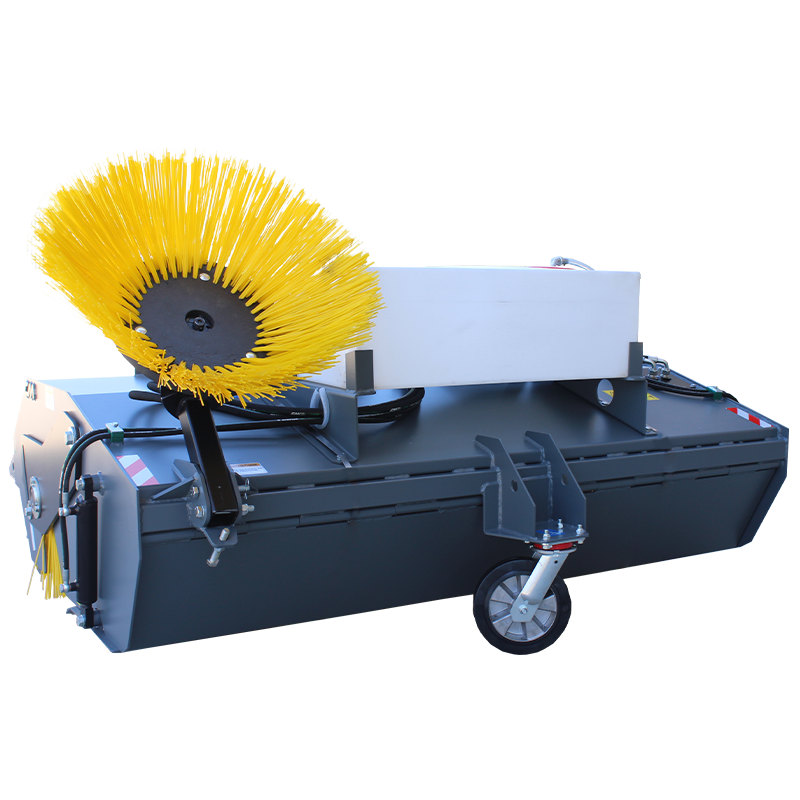
The job does not end once mowing or pruning has been completed. Leaves, soil, grass clippings, small branches and other residues can remain on roads, car parks, cycle paths or yards next to green areas. Cleaning after grounds maintenance work is therefore an important stage, particularly in urban environments and along roads. CM sweepers allow debris to be collected and removed using carrier machines already available on site. The CBS Series is also suitable for grounds maintenance; for heavier-duty applications, the CBS HD is available, while the CSK Kommunal sweeper is designed for municipal work and for cleaning roads, squares and operational areas.
Landscape and agricultural area maintenance
- Parks, gardens and urban green spaces: public green space maintenance may involve a wide range of operations, from soil preparation and green waste handling to surface cleaning. Using interchangeable attachments allows the carrier machine to be adapted to different stages of the job without necessarily requiring a dedicated machine for every activity.
- Agriculture, greenhouses and crops: proper soil management also affects the quality of subsequent agricultural operations. Soil screening can be used to obtain more uniform material for soil preparation, growing media, topsoil or compost. Equipment can also support material sorting, soil compaction, post installation and the handling of residues within the work area.
- Roadside vegetation maintenance: mowing vegetation along verges and roadsides also requires attention to the following cleaning stage. Green waste and soil left on the road surface need to be removed effectively. Sweeper buckets make it possible to integrate cleaning into the workflow, operating on roads, lay-bys and adjacent surfaces. For municipalities, service providers and contractors involved in roadside grounds maintenance, this versatility helps maximise the use of the available machinery fleet.
- Forestry work and natural areas: in forestry environments, the main requirements include handling logs and branches, managing soil and keeping access areas clear. A sorting grapple can support timber handling, while screening equipment can be used when different sizes of soil and natural material need to be separated.
How to choose the right grounds maintenance equipment
The choice of equipment depends first and foremost on the type of work to be carried out. Screening and preparing soil, compacting a surface, installing posts, handling logs and branches, or cleaning roads and yards all require different solutions. It is also important to consider the available carrier machine, hydraulic flow, attachment weight, the material to be processed and the conditions of the work area.
For professionals involved in grounds maintenance and maintenance of agricultural areas, being able to use different attachments on machines already available in the fleet provides greater flexibility across multiple stages of the job. This helps optimise machine utilisation, reduce machine changes and organise operations more efficiently. CM attachments are also designed for quick and easy maintenance, helping to reduce downtime.
CM Srl offers solutions for earthmoving machinery designed to meet the different requirements of landscape and agricultural area maintenance: from soil screening to compaction and post installation, through to green waste handling and final surface cleaning. Contact CM to identify the attachment best suited to your carrier machine and the type of work you need to carry out.
